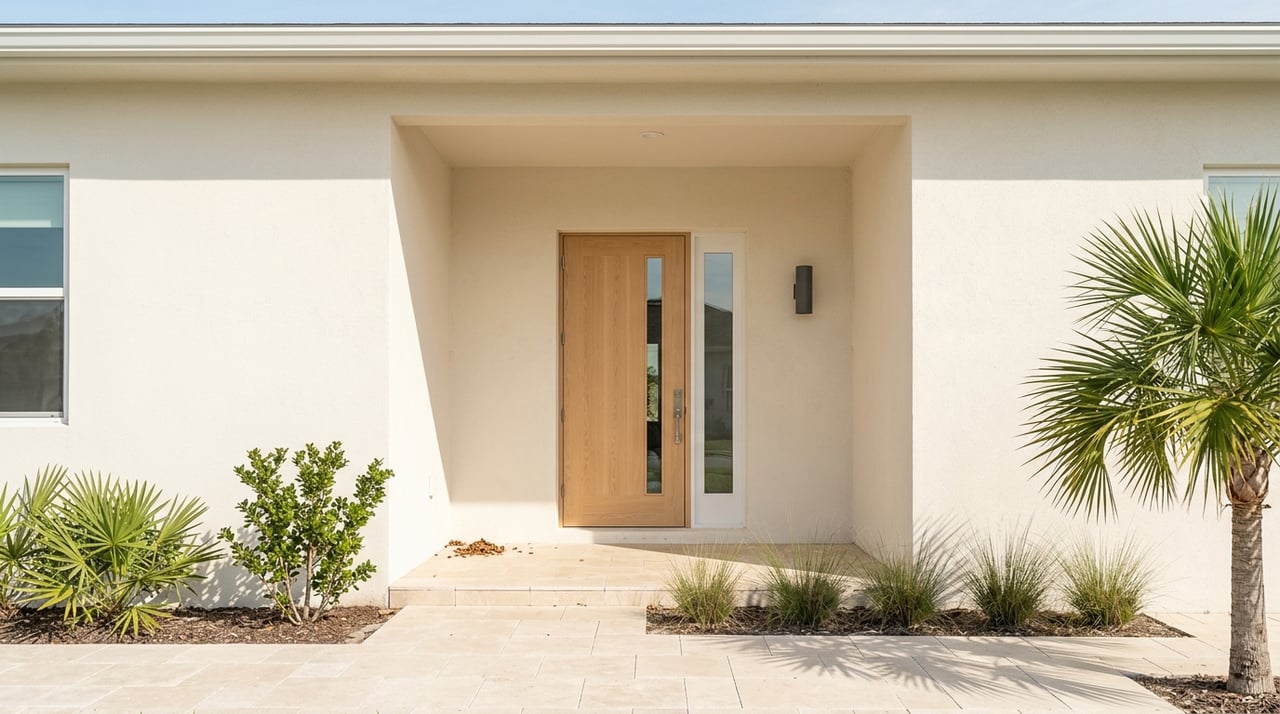
Thinking about buying new construction in Nocatee? It can be an exciting path to a home that fits your style and daily routine, but it also comes with decisions that are very different from buying a resale home. If you want to understand how neighborhoods, builders, contracts, costs, and timelines really work before you commit, this guide will help you move forward with more clarity and less stress. Let’s dive in.
Nocatee New Construction at a Glance
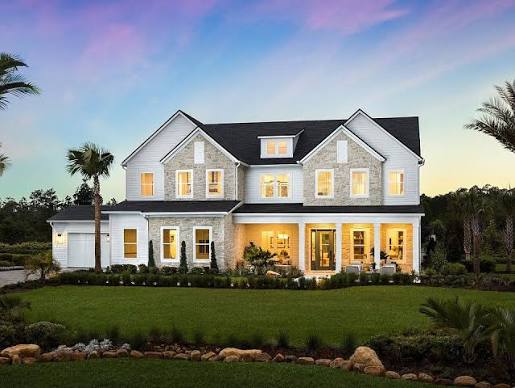
Nocatee is a master-planned community in Ponte Vedra with a range of housing types, neighborhoods, and builders. According to the community’s official resources, there are nearly a dozen active neighborhoods and six home builders, which means you are not choosing from one single product or one uniform style.
That variety is part of the appeal. Each neighborhood has its own look and feel, and your choices may include townhomes, villas, single-family homes, preserve homesites, and estate homesites. For many buyers, that makes it especially important to compare not just the house itself, but also the setting, lot type, and long-term fit.
Why Buyers Choose Nocatee
For many people, buying in Nocatee is also about the lifestyle that comes with the home. The community highlights access to Town Center by walking, biking, driving, or electric vehicle, along with parks, pools, dog parks, trails, a fitness club, and major amenity areas like Splash and Spray.
That means your purchase decision is often bigger than square footage and finishes. You are also weighing how you want to live day to day, how close you want to be to amenities, and how your neighborhood location supports your routine.
Compare Neighborhoods Carefully
Because Nocatee includes multiple active neighborhoods, one of the smartest first steps is narrowing down which areas fit your goals. A new construction home in one section of Nocatee can feel very different from a home in another section, even if the price points seem similar at first glance.
As you compare neighborhoods, look at practical details like home type, homesite size, nearby roads, amenity access, and proximity to Town Center. You should also consider what may still be built around your lot, since future build-out can affect privacy, views, and your day-to-day experience.
Look Beyond the Model Home
Model homes are designed to impress, and they often do. But your actual homesite, base plan, included features, and optional upgrades may look very different from what you see in the model.
It helps to separate what is standard from what is added. Ask for written details on the base home, structural options, lot premiums, and finish packages so you can compare builders and floor plans on equal footing.
Understand Builder Contracts and Timelines
Buying new construction is not the same as buying a resale home. New-home purchases can involve blueprint-only decisions, longer timelines, builder-specific contracts, permitting, deposits, and different warranty terms.
That matters because the process can feel more complex than many buyers expect. Instead of evaluating a finished home with a fixed history, you may be making choices from plans, samples, and estimated delivery windows while construction progresses in stages.
Pricing Can Change Fast
One of the biggest surprises in new construction is how quickly the price can rise beyond the advertised base price. Design-center and structural upgrades can add tens of thousands of dollars, especially if you start customizing finishes throughout the home.
Before you sign, get written pricing for key items such as:
- Lot premiums
- Structural options
- Design-center selections
- Finish packages
- Any builder fees tied to upgrades or changes
This gives you a more realistic picture of your total investment. It also helps you avoid falling in love with a price that only reflects the starting point.
Keep Every Selection in Writing
Builders manage many homes and timelines at once, so clear documentation matters. Written records of your selections, pricing, and communications can help reduce confusion and make it easier to confirm what was agreed to during the process.
If you are choosing structural changes, finish materials, or design upgrades, keep an organized file from day one. That simple habit can save a lot of stress later.
Why Buyer Representation Still Matters
Some buyers assume they do not need representation when buying directly from a builder, but that is not how many new construction purchases work in practice. In the National Association of Realtors 2024 Profile of Home Buyers and Sellers, 63 percent of new-home buyers used a real estate agent or broker.
Buyers most often wanted help finding the right home, negotiating terms and price, and handling paperwork. In new construction, a buyer’s agent can also help you compare builders, review the full cost picture, keep track of milestones, and advocate for your interests as the process moves forward.
For relocating buyers especially, having a local guide can make the experience much more manageable. Meredith Rowe’s concierge-style buyer advocacy is designed to help you sort through the details, understand neighborhood differences, and make decisions with confidence.
Check School Zoning by Exact Address
If school zoning matters to your household, do not assume all of Nocatee feeds to the same schools. Nocatee’s 2026/2027 zoning information shows that different neighborhoods are assigned to Pine Island Academy, Palm Valley Academy, Valley Ridge Academy, or the new Sabal Crest Academy zone.
St. Johns County advises families to use its Attendance Zone Locator to confirm the assigned school for a specific address. That means school assignment should be verified before you choose a lot, a floor plan, or even a future phase in a neighborhood.
Why Zoning Affects Resale Too
Even if you are focused on your own move, exact-address zoning can also affect long-term resale appeal. Because zoning is neighborhood-specific and can change over time, confirming the details early is a practical part of smart due diligence.
The key takeaway is simple: verify the address, not just the neighborhood name.
Budget for More Than the Mortgage
When you buy new construction in Nocatee, your monthly and annual costs may include more than principal, interest, taxes, and insurance. The Tolomato Community Development District guide explains that annual capital and operations-and-maintenance assessments appear on the property tax bill.
These assessments vary by neighborhood and property. The capital assessment is fixed, while the operations-and-maintenance assessment can change from year to year, so it is wise to review those costs before committing to a homesite.
Build a More Accurate Ownership Budget
A realistic budget should account for:
- Purchase price
- Lot premium
- Structural upgrades
- Design selections
- Property taxes
- Insurance
- CDD assessments
Looking at the full picture helps you decide what feels comfortable now and sustainable later. It also makes it easier to compare one builder or neighborhood against another.
Think Strategically About Lot Selection
Lot choice can shape your experience just as much as the floor plan. In Nocatee, available homesites may range from townhome placements to preserve lots to larger estate settings, so your choice can affect privacy, orientation, and how the home lives over time.
When evaluating a lot, consider:
- Privacy from neighboring homes
- Orientation and natural light
- Nearby roads or traffic flow
- View corridors
- Distance to Town Center and amenities
- What future construction may happen nearby
A beautiful floor plan on the wrong lot may not feel as strong a few years from now. Thinking ahead can help protect both your enjoyment and future resale potential.
Keep Resale in Mind
It is easy to focus only on finishes when buying brand new, but resale still matters. The National Association of Realtors advises buyers to compare comparable sales and avoid letting upgrades push a home far above neighborhood comps.
That does not mean you should avoid personalization. It means you should be thoughtful about where you spend, especially if you are choosing upgrades that may not return equal value later.
Smart Upgrade Questions to Ask
Before selecting high-cost upgrades, ask yourself:
- Will this improve how I live in the home?
- Is this feature common for the neighborhood and price point?
- Am I improving function, appearance, or both?
- Could this push the home well beyond nearby comparable sales?
The goal is to create a home you love while still making a sound long-term decision.
Understand Inspections and Occupancy Rules
Even though the home is brand new, inspections still matter. St. Johns County states that permitted construction must comply with the Florida Building Code, and a final inspection must be completed after all work required by the permit is done.
The county also states that it is unlawful to occupy a building before a Certificate of Occupancy or Completion is issued. For buyers, that is an important reminder that completion is not just about construction looking finished. It is also about the required sign-offs being complete.
You May Still Want Independent Inspections
A buyer may choose to inspect a new home between signing and closing, and the inspection can be made a contingency. Buyers are typically responsible for inspection costs, but many people find the added review worthwhile for peace of mind.
In a new construction purchase, inspections can be one more layer of protection as your home moves from plans to reality.
Know What the Builder Warranty Covers
Warranty terms are another area to review early. Under Florida law, a builder must warrant a newly constructed home for defects in equipment, material, or workmanship that result in a material violation of the Florida Building Code for one year after original conveyance or initial occupancy, whichever comes first.
An express written warranty can supersede the statute if it provides equal or better coverage. In practice, many builders also offer separate timeframes for specific systems or structural items, so you will want to read the written warranty carefully and understand how claims are handled.
You should also ask whether the warranty requires mediation or arbitration for disputes. Knowing the process upfront can help you set realistic expectations.
A Smoother Way to Buy in Nocatee
Buying new construction in Nocatee can be a great fit if you want modern design, community amenities, and a home tailored to your needs. The key is to go in with a clear plan for neighborhood selection, lot choice, contract review, budgeting, inspections, and warranty questions.
If you want a high-touch, local guide who can help you compare neighborhoods, evaluate builder choices, and navigate the process with less stress, Meredith Rowe is here to help.
FAQs
What should you know before buying new construction in Nocatee?
- You should understand that Nocatee includes multiple neighborhoods, home types, and builders, and that your total cost may rise above the base price once you add lot premiums, structural options, and design selections.
How many builders are active in Nocatee?
- Nocatee’s official home search resources note six home builders and nearly a dozen active neighborhoods.
Do you need a real estate agent for new construction in Nocatee?
- Many buyers still choose representation, and National Association of Realtors data shows 63 percent of new-home buyers used a real estate agent or broker.
How do school zones work in Nocatee?
- School zoning is address-specific, and St. Johns County advises families to confirm the assigned school using the Attendance Zone Locator before choosing a lot or home.
Are there extra costs in Nocatee beyond taxes and insurance?
- Yes. The Tolomato Community Development District guide states that annual capital and operations-and-maintenance assessments appear on the property tax bill and vary by neighborhood and property.
Can you inspect a brand-new home in Nocatee before closing?
- Yes. Buyers may choose to inspect a new home between signing and closing, and the inspection can be made a contingency, with inspection costs typically paid by the buyer.
What warranty comes with a new construction home in Florida?
- Florida law requires a builder warranty for certain defects tied to material violations of the Florida Building Code for one year after original conveyance or initial occupancy, unless an express written warranty provides equal or better coverage.