If you love the idea of living somewhere with real history but do not want to give up convenience, St. Augustine offers a rare mix. You can enjoy centuries-old streetscapes, distinctive architecture, and a compact city feel while still living in a place shaped by broadband access, manageable commutes, and growing residential options. If you are considering a move or trying to understand how the area fits your lifestyle, this guide will help you see how historic character and modern living come together in St. Augustine. Let’s dive in.
Why St. Augustine Feels So Distinct
St. Augustine is not just a historic backdrop. It is a working small city where the past still shapes how people move, live, and experience daily life. The City of St. Augustine says its street layout and architecture still strongly reflect Spanish origins, and the National Park Service describes it as the oldest continuously occupied European settlement in the continental United States.
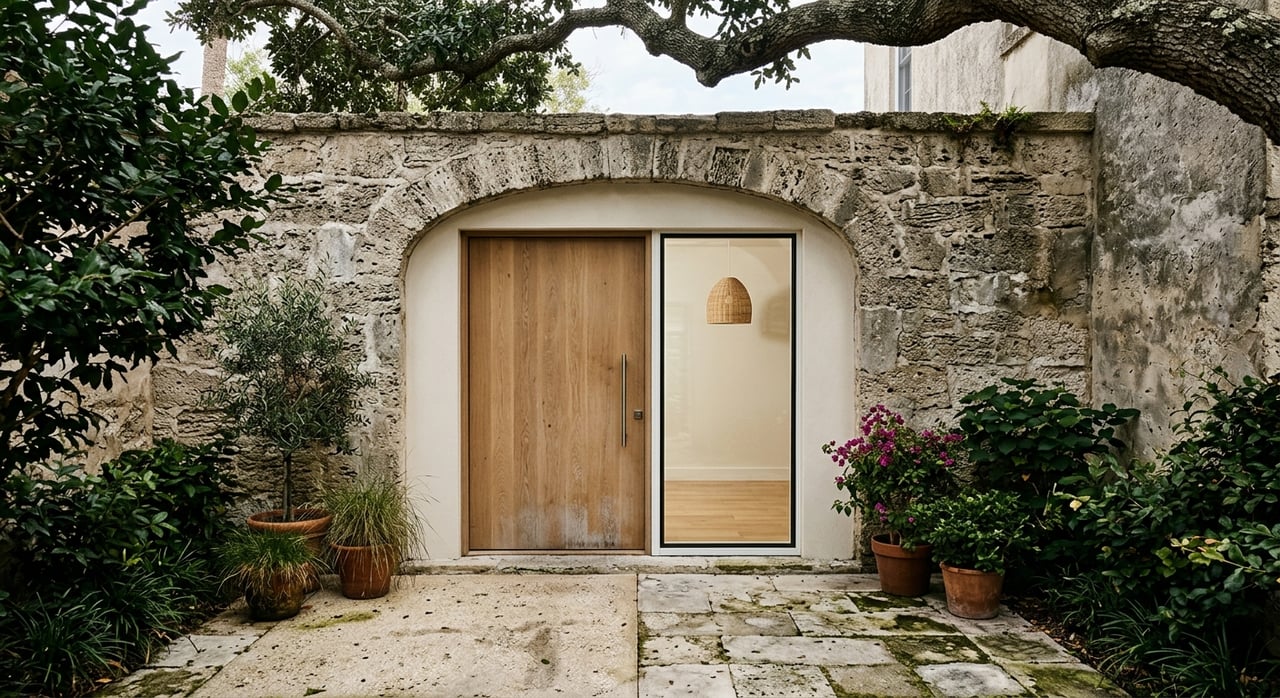
That history is visible in the St. Augustine Town Plan National Historic Landmark District. Around Plaza de la Constitución, you will find a Spanish colonial grid, narrow streets, and buildings from multiple eras, including colonial, Territorial, Flagler-era, and Florida Boom-era structures. Instead of feeling frozen in time, the area reads more like a layered architectural timeline.
St. Augustine also stays relatively compact. The city’s July 1, 2025 population estimate was 16,141, which helps explain why the historic core feels more intimate than urban. For many buyers, that smaller scale is part of the appeal.
Historic Character Still Shapes Housing
If you are drawn to homes with visual detail and architectural personality, St. Augustine gives you plenty to explore. In and near the historic core, housing is often older, lower-rise, and more distinctive than what you would find in a typical suburban setting. The National Park Service notes features such as overhanging balconies, ornamental railings, and rejas.
At the same time, the city’s preservation framework plays a major role in what owners can do with their properties. St. Augustine has five Historic Preservation zoning districts, and alterations or demolitions in those districts require review by the Historic Architectural Review Board. The city also requires review for demolition of many properties that are 50 years old or older, or that are individually listed or landmarked.
For you as a buyer or homeowner, that means historic charm often comes with added oversight. Those rules help preserve the city’s appearance, but they can also affect renovation plans, exterior changes, and redevelopment timelines. It is important to understand both the lifestyle appeal and the practical responsibilities before you buy.
Design Rules Extend Beyond the Oldest Blocks
Historic sensitivity in St. Augustine is not limited to the oldest streets downtown. The city applies special entry-corridor standards along Anastasia Boulevard, King Street, and San Marco Avenue. That helps keep redevelopment near the historic core more aligned with the surrounding context.
This matters if you want to live near downtown without being in its most preservation-heavy blocks. You may still find design controls that influence how an area looks and evolves over time. For many residents, that creates a more cohesive experience from one district to the next.
Modern Living Looks Different Across the Area
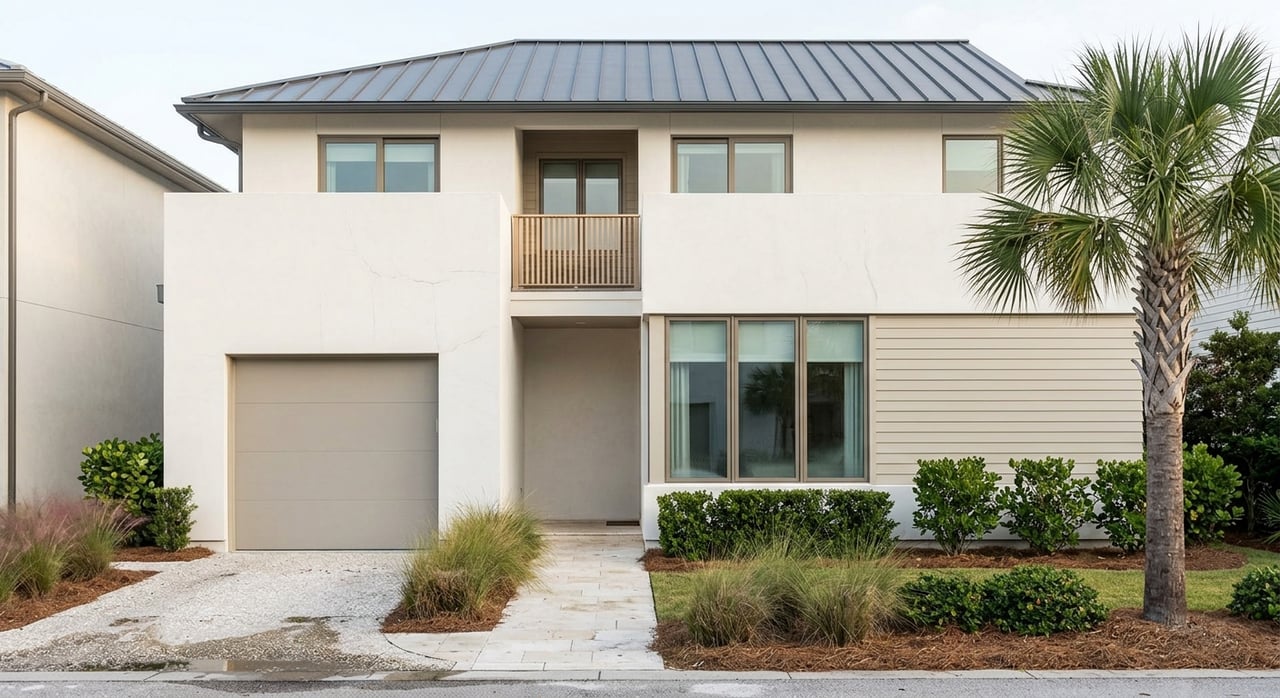
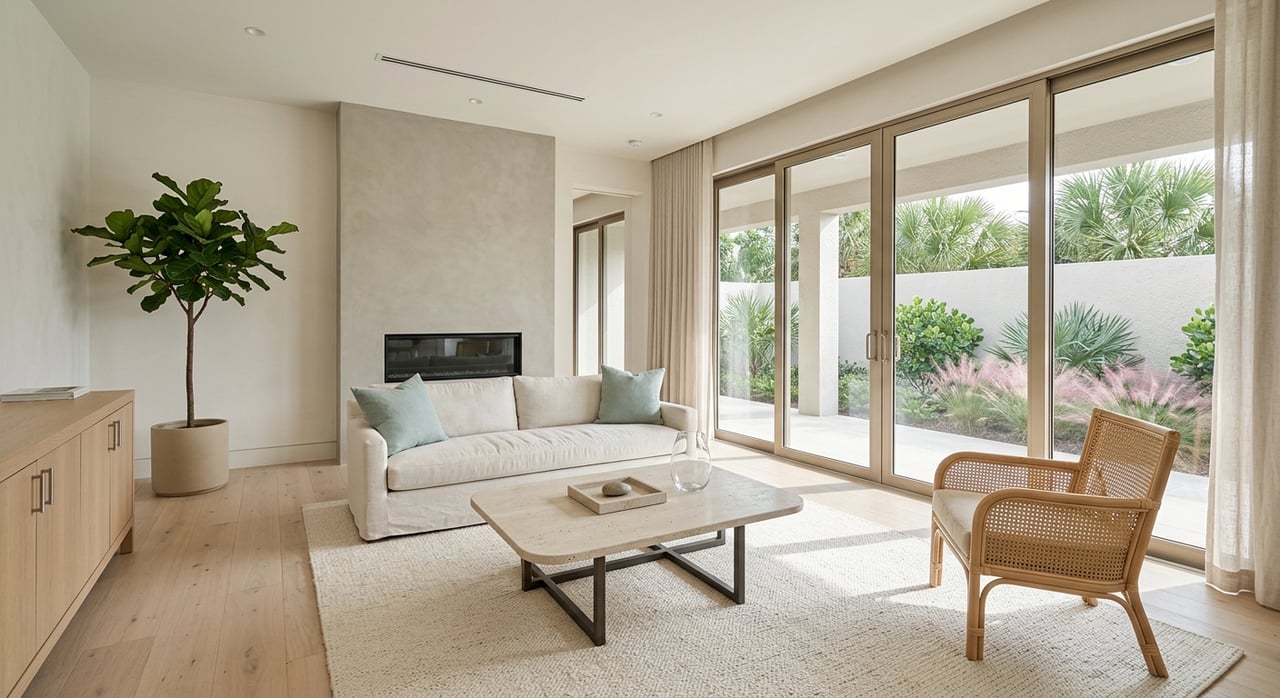
One of the most appealing things about St. Augustine is that modern living does not come in just one form. You can look at older homes in established areas, or you can explore newer communities in the broader county that offer more recent construction and built-in amenities. Your ideal fit depends on whether you value historic texture, newer layouts, or a blend of both.
City housing data points to a market with a strong ownership base. Owner-occupied housing is 63.0%, the median owner-occupied home value is $439,800, and median gross rent is $1,653. Those numbers help frame St. Augustine as a city with both ownership opportunities and rental flexibility.
The city also functions in a very current way day to day. Census data shows that 97.2% of households report having a computer and 92.8% have broadband subscriptions. So while the setting may feel historic, the household profile is clearly modern.
Planned Communities Add Another Option
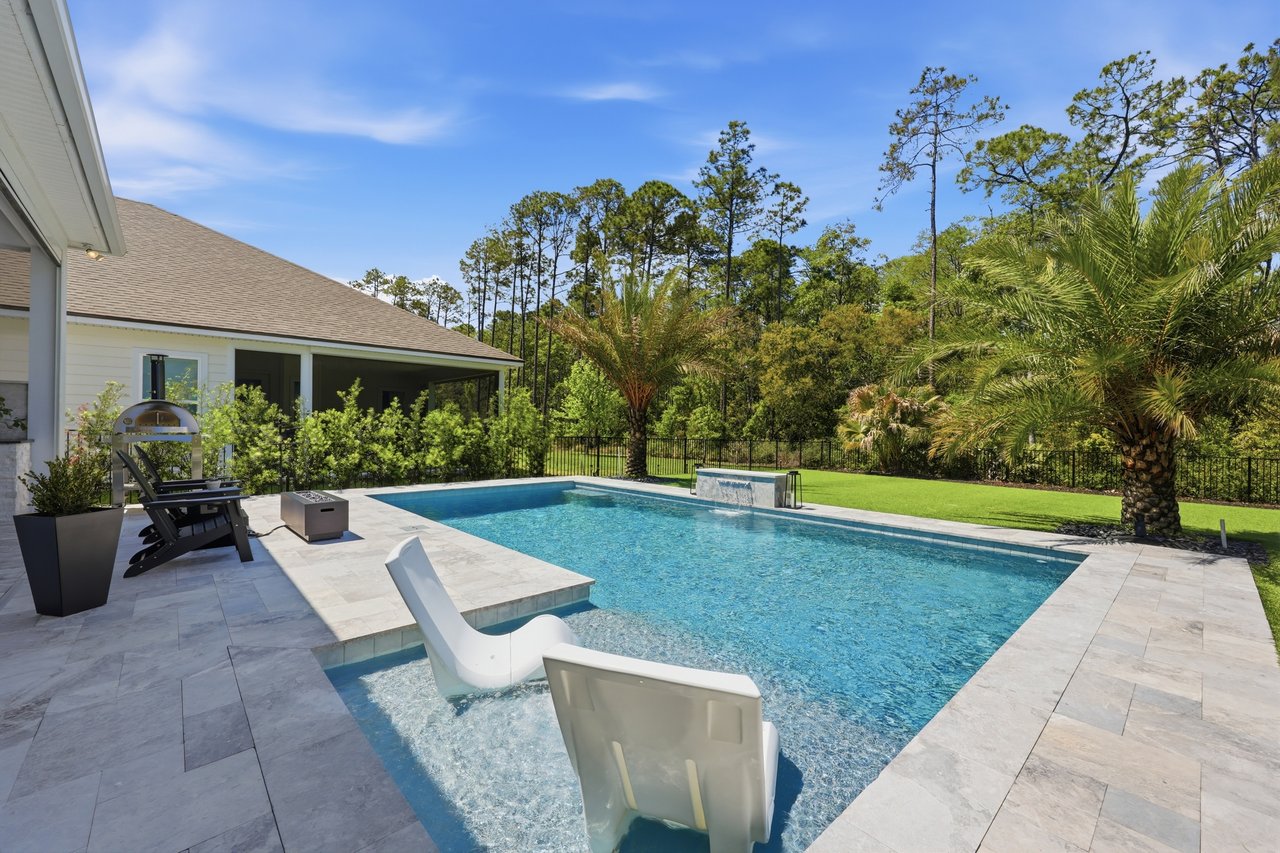
If you want newer construction, neighborhood amenities, and a more master-planned layout, growth in St. Johns County expands your choices. County planning materials describe SilverLeaf as a master planned community with neighborhoods serving different housing types and market segments, along with parks, bike and pedestrian paths, amenity centers, and a mixed-use employment area.
That broader county pattern helps explain why buyers often look beyond the historic core when comparing lifestyle options. Some want the character of old St. Augustine. Others prefer a newer home with community amenities and easier day-to-day parking and access.
Daily Life: Walkability, Traffic, and Getting Around
St. Augustine offers a kind of walkability that many Florida markets cannot match. The city says most streets have sidewalks, and downtown is genuinely walkable. If you enjoy being able to move around on foot in a compact setting, that is a meaningful advantage.
Still, walkability comes with tradeoffs. The city also notes that congestion and parking constraints can be significant during peak periods, especially in the historic core. That is one of the biggest practical realities of living in a place that attracts both residents and visitors.
To help manage that pressure, the city operates a 1,200-space garage at the Visitor Information Center and uses tools like the free STAR Circulator, plus park-and-ride and shuttle programs during busy periods. These systems show that city leaders are actively balancing visitor demand with local function.
Transit and Commutes
St. Augustine does not operate its own dedicated city transit system. Instead, St. Johns County runs the Sunshine Bus system with two local routes. According to the city, the Red Line serves A1A, downtown, and the Government Center, while the Blue Line serves shopping and service destinations such as Cobblestone, Flagler Auditorium, Flagler Hospital, and Walmart.
The main roadways are US-1 and A1A, with A1A crossing the Bridge of Lions. Looking ahead, the city’s 2040 Mobility Plan emphasizes sidewalks, paths, protected bike lanes, complete streets, microtransit circulators, and parking management. That signals a continued focus on making the city easier to navigate without losing its character.
Commute times are also fairly manageable for a market of this size. The city’s mean commute is 20.1 minutes, while the countywide mean is 26.9 minutes. For many buyers, that supports a lifestyle that feels connected without being overly stretched.
Recreation and the Broader St. Johns County Lifestyle
Modern living in St. Augustine is not limited to the historic city center. It is also shaped by the broader St. Johns County lifestyle, which includes recreation, regional growth, and a wider mix of residential settings. The county’s estimated 2025 population is 346,328, and its profile includes communities such as Ponte Vedra, St. Augustine Beach, Fruit Cove, Nocatee, and Hastings.
That countywide growth gives you more lifestyle options while keeping St. Augustine connected to a larger regional economy. Major employers include St. Johns County government, UF Health St. Johns, Flagler College, the St. Johns County School District, and hospitality operators such as Renaissance Resort at World Golf Village. In practical terms, the area functions as more than a tourism market.
Outdoor access is another part of daily life. The county parks system includes beach-access parks, boat ramps, Nocatee Community Park, Nocatee Paddle Launch, and Nocatee Preserve, a 2,400-acre conservation area with more than 3 miles of trails. The county also runs holiday-weekend beach shuttles that connect parking areas to beach access points.
What Buyers Should Weigh Carefully
St. Augustine offers a lifestyle that is easy to romanticize, and for good reason. The city combines authenticity, walkability, layered architecture, and access to recreation in a way few places can. But the right fit depends on how you want to live day to day.
If you want to be in the most character-rich areas, expect narrower streets, heavier visitor traffic at peak times, tighter parking, and more preservation oversight. If you prefer a more flexible, amenity-driven environment, newer communities in the county may offer a smoother match. Neither option is better across the board. It depends on your priorities.
A thoughtful home search in this area should look beyond square footage and finishes. You want to understand how preservation rules, mobility, neighborhood design, and daily routines will shape your experience after move-in.
Why Local Guidance Matters Here
In a place as layered as St. Augustine, small details can have a big impact on your decision. A home near the historic core may offer incredible setting and charm, but it can come with design review considerations and different day-to-day logistics. A newer property in a master-planned setting may offer easier flow and amenities, but a very different lifestyle feel.
That is where strong local guidance becomes valuable. When you work with someone who understands both the visual character of the area and the practical realities of living there, you can make a more confident choice. Whether you are relocating, moving up, or searching for the right lifestyle fit, clarity matters.
If you are thinking about buying or selling in St. Augustine or anywhere in Northeast Florida, Meredith Rowe offers a concierge, high-touch approach designed to make your move feel informed, strategic, and far less stressful.
FAQs
What makes St. Augustine different from other Florida cities?
- St. Augustine combines a functioning small-city lifestyle with a preserved historic core that still reflects Spanish street patterns, narrow streets, and architecture from multiple eras.
What should buyers know about historic homes in St. Augustine?
- Buyers should know that homes in historic preservation districts may be subject to review for alterations or demolition, which can affect renovation plans and exterior changes.
What is daily transportation like in St. Augustine?
- Downtown St. Augustine is walkable, but parking and congestion can be challenging during busy periods, especially in the historic core.
Are there newer housing options near St. Augustine?
- Yes. In the broader St. Johns County area, planned communities such as SilverLeaf offer newer homes, amenities, parks, and bike and pedestrian paths.
What is the commute like for St. Augustine residents?
- The city’s mean commute is 20.1 minutes, which is relatively manageable, while the countywide mean commute is 26.9 minutes.
Does St. Augustine offer access to outdoor recreation?
- Yes. St. Johns County offers beach-access parks, boat ramps, community parks, paddle launch areas, and preserve land with trails, including Nocatee Preserve.