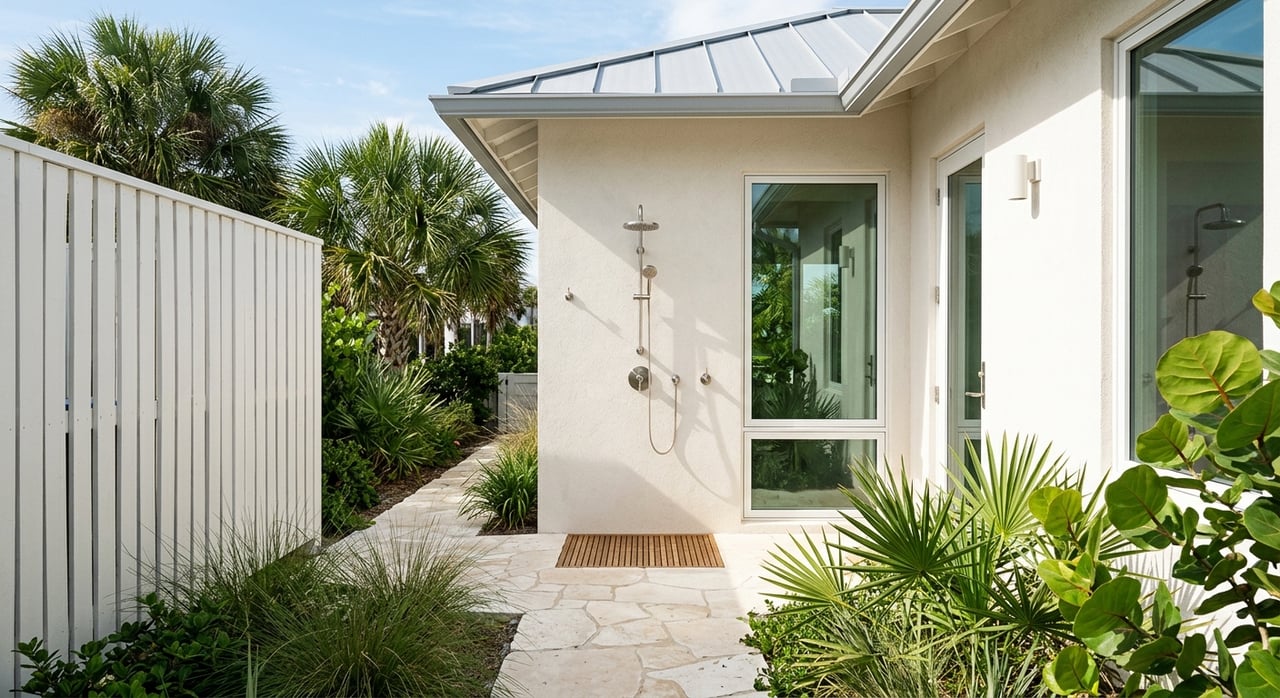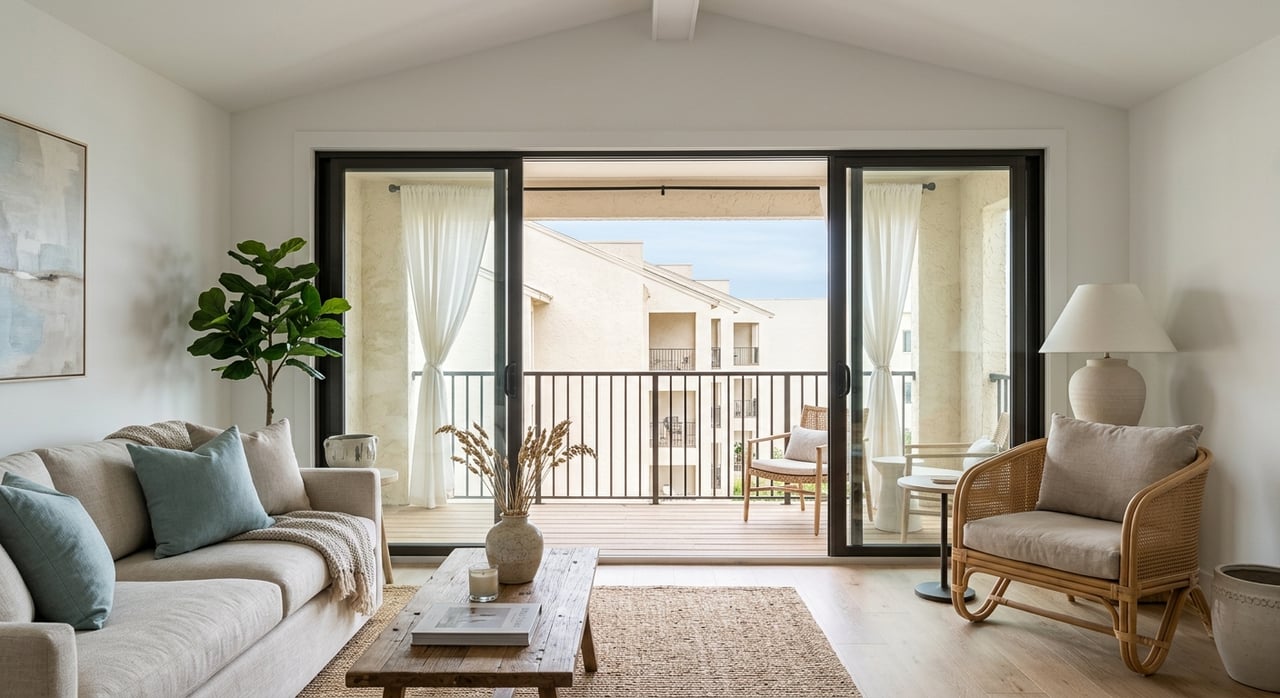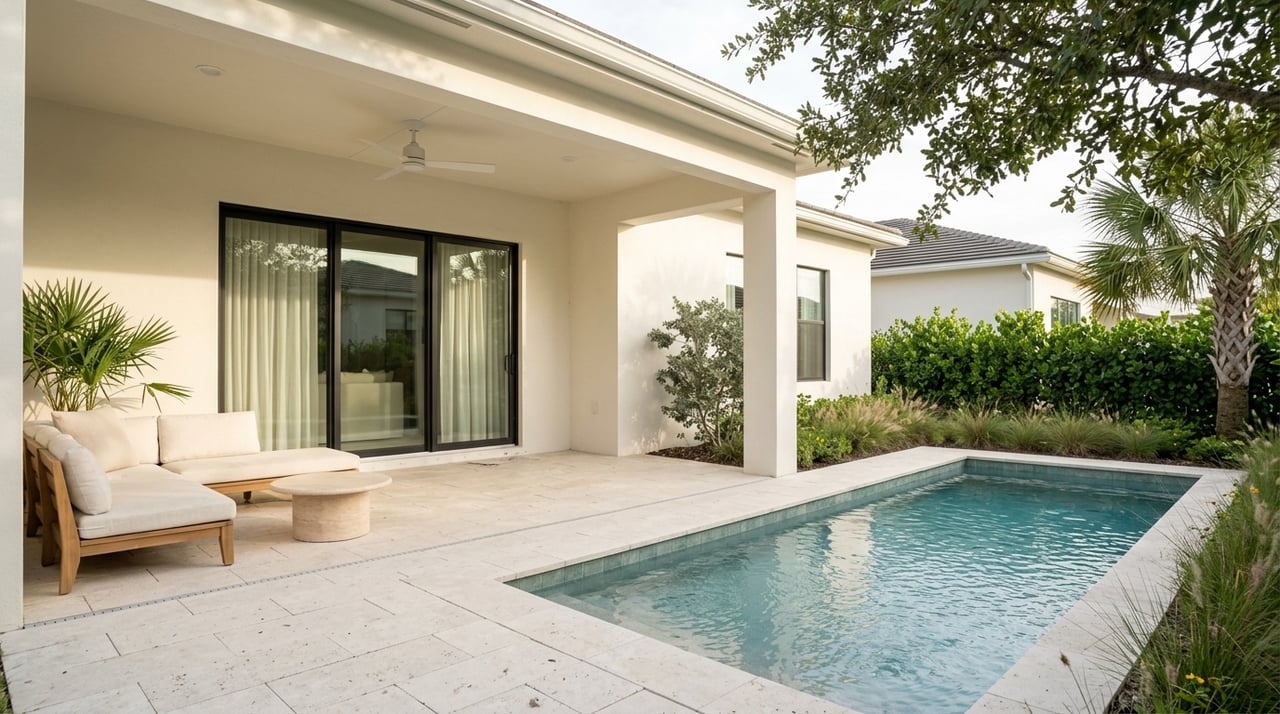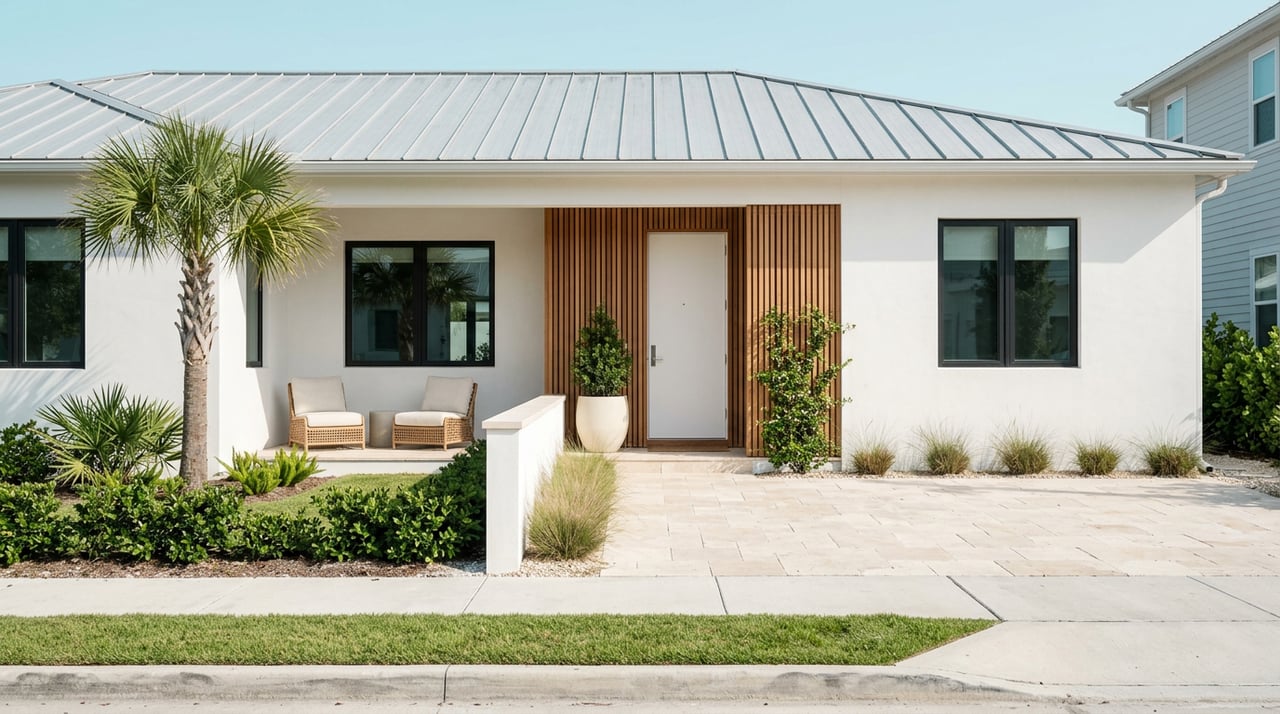
Do you picture coffee on a balcony with waves rolling in, or do you crave a bigger backyard and easy driveway parking? In Neptune Beach, both are within a mile of each other, which makes choosing your setting less about distance and more about lifestyle. If you are weighing oceanfront views against inland breathing room, understanding the tradeoffs will help you buy with confidence. In this guide, you will see how each area lives day to day, what to expect for insurance and maintenance, and how local rules may shape your routine. Let’s dive in.
Oceanfront living: pros and tradeoffs
Lifestyle and views
If daily beach walks and sunrise views top your list, the oceanfront corridor delivers. You get immediate access to hard‑packed sand, surf checks from your porch, and the natural rhythm many buyers prize. These properties carry premium pricing because of the view and access, and they are the best fit if your routine revolves around the beach.
Space, parking, privacy
Oceanfront lots often have smaller private yards due to dune setbacks and design that prioritizes views over yard size. Many homes are elevated, which can limit enclosed space under the main living level. Parking can be tighter on some parcels, and guest parking is influenced by nearby paid parking rules, especially closer to the Beaches Town Center area.
Maintenance and resilience
Living on the dune line brings extra exposure to salt air and storms. Expect more frequent exterior upkeep and attention to corrosion control, especially for railings, hardware, and HVAC units. Floodplain rules and coastal construction requirements are stricter on the ocean side; Neptune Beach maintains floodplain guidance and FEMA resources that outline foundation and enclosure standards in coastal zones. You can review the city’s program on flood zones and elevation certificates on the city’s floodplain management page at Neptune Beach floodplain management and FEMA’s technical bulletins on coastal construction and flood openings.
Walkable interior near Town Center
Why buyers pick it
The blocks between the ocean and about Third Street balance convenience with a quieter residential feel than the dune line. You can walk to coffee, boutiques, and restaurants around Beaches Town Center, then be on the sand within minutes. For many buyers, this setting feels like the sweet spot of lifestyle and practicality. To get a feel for the walkable offerings, browse the local Beaches Town Center boutiques and shops.
Noise and parking realities
Proximity to the Town Center brings more foot traffic and occasional weekend buzz. It is not the same level of public exposure as being right on the beach, but it is livelier than purely residential streets farther inland. Parking on busy evenings can be tight; the North Beaches program uses paid parking and resident validations that you should factor into your guest plans. Details and sign‑up live at the North Beaches Parking Program.
Inland pockets west of the core
Space and value
If you want a larger yard, more driveway and garage space, and quieter evenings, the inland residential pockets on the west side are worth a close look. You will still be a short bike ride or drive from the ocean, but you typically gain lot size and privacy. Pricing is usually lower than comparable homes closer to the shoreline, and the product mix leans more toward single‑family homes.
Daily routine
Your routine will shift from quick walks to quick drives. Many residents keep beach gear in the car and plan spontaneous trips around the day’s schedule. If you value room for a garden, pets, or a workshop, this tradeoff often feels right.
Costs, insurance, and permits
Flood zones and elevation
Flood exposure and elevation are central to coastal ownership. Neptune Beach participates in FEMA’s programs and uses the effective Flood Insurance Rate Map to guide building and insurance needs. Before you write an offer, request the property’s FIRM panel and any Elevation Certificate from the seller. The city outlines how to access these on its floodplain management page.
Flood insurance premiums vary widely. County averages in Florida are only a starting point. Beachfront parcels in AE or VE zones can see higher costs that reflect elevation, distance from water, and replacement value. It is smart to get an address‑specific NFIP quote and a private‑market quote early. For a clear overview of how premiums are determined under Risk Rating 2.0, read this consumer guide to flood insurance in Florida.
If you are considering work near the waterline, confirm whether the property is seaward of the Coastal Construction Control Line. Certain activities require state coastal permits. You can review Florida’s coastal construction statutes for context at Florida’s coastal construction code overview.
Wind, windows, and deductibles
Across the Beaches, wind coverage and hurricane deductibles are part of the conversation. Insurers look for impact‑rated windows or shutters and other wind‑resistant features. FEMA’s building science bulletins summarize the technical standards that often apply in coastal zones; you can start with the consolidated library of FEMA technical bulletins when planning upgrades or evaluating replacement costs with your inspector.
Shoreline projects to know
Duval County participates in a long‑running federal shore protection program that periodically places sand to widen and strengthen the beach berm. Federal participation has been extended through 2040, and renourishment schedules can shift with funding and storms. Awareness of this program helps you understand community‑level resilience and how beach width can change over time. You can read the current fact sheet for the Duval County Shore Protection Project.
Parking and local rules
Resident validations
Paid parking zones operate in and around Beaches Town Center. Neptune Beach offers resident validation hours for registered vehicles, with defined rates and enforcement windows. If you expect frequent guests or events, build a simple parking plan ahead of time. Check locations and registration steps at the North Beaches Parking Program.
Short‑term rentals snapshot
Florida’s 2023 updates clarified how cities can register and enforce local short‑term rental rules. Neptune Beach refers to Municode for its code language, so verify current registration, occupancy, and noise rules directly with the City Clerk if rentals are part of your plan. For a plain‑English overview of statewide changes, see this explainer on Florida’s short‑term rental reforms.
Maintenance and durability
Salt, roofs, and finishes
Coastal air accelerates corrosion on metal connectors, exterior hardware, and mechanicals. If you are within a few thousand feet of the shoreline, budget for more frequent inspections and to specify coastal‑rated materials where possible. FEMA’s building science guidance emphasizes corrosion‑resistant connectors and careful detailing in coastal A and V zones; use these standards as a checklist when reviewing a home’s age and upgrades in inspection reports. See the consolidated library of FEMA technical bulletins for context.
Pre‑season checkups
A smart habit in Northeast Florida is an annual pre‑June maintenance pass before hurricane season. Plan for roof and sealant checks, gutter cleaning, testing shutters or confirming impact window specs, and servicing exterior HVAC units. For oceanfront owners, add a periodic soft‑wash and exterior paint renewal schedule to stay ahead of salt and UV wear.
Utilities and services
Neptune Beach receives electric service from Beaches Energy Services, a local municipal utility that serves the Beaches communities. When budgeting, contact the provider for current rates or programs. You can explore options at Beaches Energy Services. Water and sewer arrangements vary across the Beaches, so confirm the provider for the exact parcel you are considering.
Quick buyer checklist
- Confirm the property’s flood zone and obtain the FIRM panel and any Elevation Certificate from the seller. Start at the city’s page for floodplain management and FIRMs.
- Get address‑specific NFIP and private flood insurance quotes that reflect Risk Rating 2.0. See an overview in this guide to Florida flood insurance.
- Verify whether the parcel is seaward of the Coastal Construction Control Line and review any coastal permits. Read the statutory framework here: Florida coastal construction statutes.
- For oceanfront properties, request foundation and enclosure details, including pile depth, breakaway walls, flood openings, and a history of storm damage and repairs. FEMA’s technical standards are summarized in the FEMA technical bulletins.
- Review the North Beaches paid parking rules and set up resident validations if you will rely on Town Center parking. Details are at the North Beaches Parking Program.
- Ask for maintenance records that show corrosion protection, HVAC replacements, roof age, and exterior finish cycles. Plan for accelerated exterior maintenance near the ocean.
- If rental income is part of your plan, verify local short‑term rental rules with Neptune Beach and check statewide context here: Florida STR reforms overview.
- If you plan oceanfront lighting or beachside events, review sea turtle lighting guidance from FWC to ensure compliant fixtures and shielding. See the FWC sea turtle lighting guidelines.
How to choose your fit
Start with how you want to live day to day. If waking to the sound of waves and stepping onto the sand is non‑negotiable, oceanfront living makes sense, and you can plan for higher insurance and maintenance with a strong inspection and ownership budget. If you want a walkable, social routine with quick coffee runs and a short beach stroll, the interior blocks near Town Center often hit the mark. If you want room to spread out, a larger yard, and predictable parking with a short drive to the beach, the inland pockets are likely your match.
Neptune Beach is compact, with roughly 7,000 to 7,300 residents across about 2.3 square miles, so every setting keeps you close to the shoreline. Market indicators show typical home values in the mid‑to‑high six figures and a median sale price that can swing higher in small coastal markets. Because a few oceanfront sales can move the needle, it is wise to pair these signals with local comps and on‑the‑ground context.
If you want a calm, coached path to the right fit, from first tour to beach‑day logistics, reach out for a personalized plan. You will get neighborhood education, insurance and maintenance context, and a property shortlist tailored to your lifestyle. To start a smart, stress‑light search, connect with Meredith Rowe.
FAQs
What are the main differences between Neptune Beach oceanfront and inland homes?
- Oceanfront offers immediate beach access and views with higher insurance and maintenance, while inland areas trade views for larger yards, more parking, and generally lower costs.
How does flood insurance affect Neptune Beach oceanfront properties?
- Flood premiums in AE or VE zones are often higher and depend on elevation and building details; get property‑specific quotes and review the city’s floodplain guidance.
Are there paid parking rules near Beaches Town Center in Neptune Beach?
- Yes, a coordinated program uses paid parking with resident validations; check locations, hours, and registration at the North Beaches Parking Program.
What coastal construction rules apply to Neptune Beach oceanfront homes?
- Coastal zones often require elevated pile foundations, flood openings, and breakaway walls; see FEMA’s technical bulletins and confirm local permitting.
Does Duval County renourish Neptune Beach’s shoreline?
- Yes, the federal Duval County Shore Protection Project periodically places sand, with participation extended through 2040; review the USACE fact sheet.
Who provides electricity for Neptune Beach homes?
- Beaches Energy Services provides electric service for Neptune Beach and nearby communities; see programs and contact info at Beaches Energy Services.