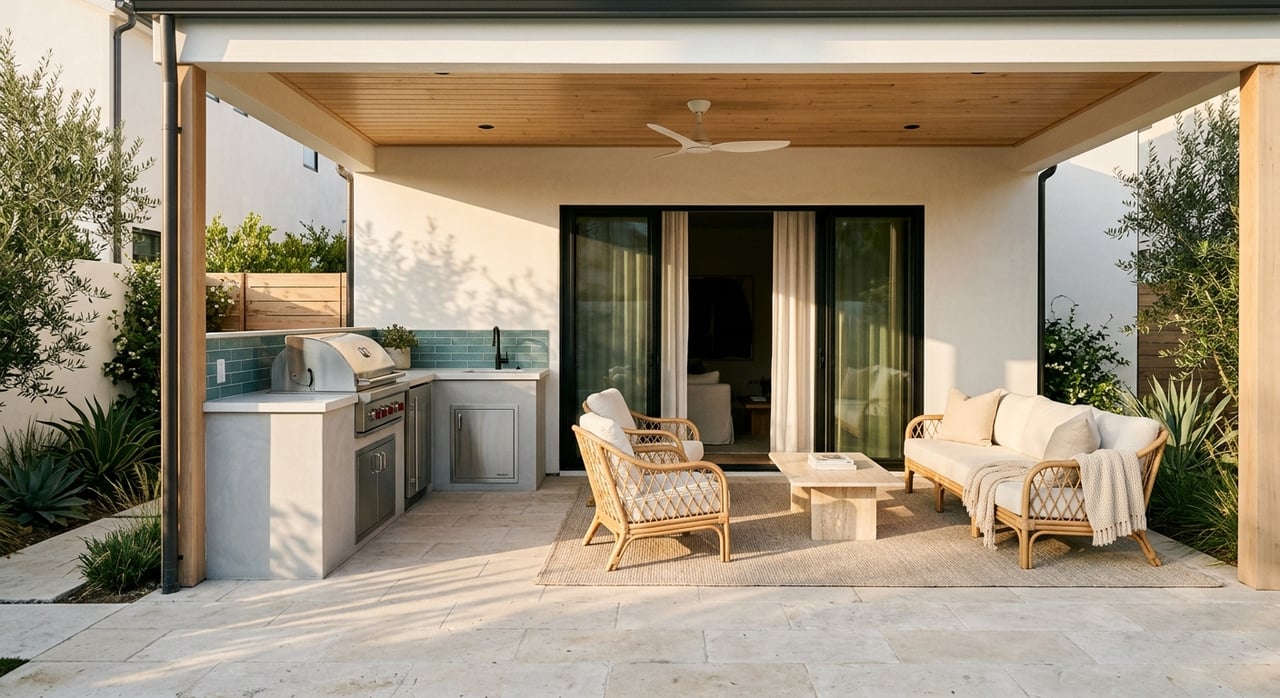
Dreaming of a backyard that feels like an extra living room? In St. Augustine, that idea makes a lot of sense, but the best outdoor spaces are not just pretty. They need to work with heat, humidity, rain, and the area’s coastal setting. If you are planning updates for your own enjoyment or thinking about future resale, the right outdoor design can make your home feel more comfortable, more functional, and more aligned with what buyers often notice. Let’s dive in.
Why outdoor living works in St. Augustine
St. Augustine’s climate gives you plenty of reasons to use your outdoor space for more of the year. NOAA climate normals for the St. Augustine Lighthouse station show an annual mean temperature of 71.2°F, with average highs around 91.0°F in July and 89.9°F in August.
That same climate also explains why smart design matters. August and September each average 7.18 inches of precipitation, so a fully exposed patio may look great in photos but feel less useful day to day. In many St. Augustine homes, the most practical outdoor spaces include some mix of shade, screening, and rain protection.
There is also a strong design story here. The City of St. Augustine notes that the city’s street layout and architecture still strongly reflect its Spanish origins, which makes courtyards, verandas, balconies, and sheltered gathering spaces feel especially natural in the local setting.
Start with shade and shelter
If you want an outdoor upgrade you will actually use often, begin with coverage. Covered porches, screened lanais, and partially sheltered patios tend to fit St. Augustine better than wide-open hardscapes because they give you options during hot afternoons, light rain, and buggy evenings.
This kind of setup also helps outdoor space feel like a true extension of the home. Instead of a backyard feature that only works a few months a year, you get a flexible area for morning coffee, casual dinners, reading, or hosting friends.
For sellers, this matters because buyers increasingly see outdoor areas as livable square footage in practice, even if not in official measurements. Houzz reported that 33% of homeowners were upgrading outdoor areas to extend their living space, which reflects a broader shift toward outdoor rooms that feel useful and intentional.
Smart ways to add comfort
A few practical features can make a big difference in everyday comfort:
- Covered seating areas
- Screened enclosures for dining or lounging
- Ceiling fans in sheltered spaces
- Durable materials that hold up in humidity and rain
- Layouts that allow both sun and shade
In St. Augustine, comfort usually beats size. A smaller covered porch that works in all kinds of weather often adds more real value to your lifestyle than a larger uncovered patio you avoid in the hottest or wettest months.
Courtyards fit the local character
Courtyards and paver terraces are especially well suited to St. Augustine. They connect beautifully to the city’s historic design language and can create a private, calm outdoor setting without feeling overly formal.
A low-walled courtyard, garden room, or paver patio can work well for homes that want a more intimate feel. These spaces are often easier to furnish and define than a large open yard, and they naturally support dining, container gardens, or simple lounge seating.
If your home is in or near a historic area, design review may be part of the process. The City of St. Augustine states that properties in Historic Preservation zoning districts, or properties facing HP-1, HP-2, or HP-3 districts, may be subject to architectural review, and alterations in those districts can require Historic Architectural Review Board approval.
Keep historic context in mind
If you are planning exterior changes in the city, it helps to think about compatibility early. The goal is not to make your home look old. It is to make the outdoor design feel connected to the home’s architecture and surroundings.
That often means choosing simple materials, clean lines, and a layout that complements the house instead of competing with it. In St. Augustine, that balance tends to age better and feel more at home in the market.
Create dining and kitchen zones
One of the most appealing outdoor living ideas for St. Augustine homes is a dedicated dining zone. Even a modest setup can change how you use your backyard, especially when paired with shade and lighting.
If you have the space and budget, an outdoor kitchen can take that idea even further. National Association of REALTORS data from the 2023 Remodeling Impact Report estimated 100% cost recovery for an outdoor kitchen, while Houzz found that outdoor kitchens remain a common feature in major structural outdoor projects.
That does not mean every home needs a full chef-style setup. In many cases, a simple dining terrace with room for grilling, serving, and comfortable seating can deliver the lifestyle feel buyers want without overbuilding the space.
Features that make entertaining easier
Consider elements that support real use, not just appearance:
- Easy access from the indoor kitchen
- Covered or partially covered dining space
- Durable counters and finishes
- Task lighting for evening use
- Defined seating and traffic flow
The best outdoor kitchens and dining areas feel integrated. They should support the way you live and fit the scale of your house.
Think carefully about pools and extras
Pools can absolutely be a lifestyle win in St. Augustine, especially during long warm seasons. But they tend to make the most sense when they are paired with thoughtful planning for shade, drainage, and privacy.
That last point matters locally. The City of St. Augustine recognizes that its historic fabric is vulnerable to flooding, sea level rise, erosion, and rising water tables. Even smaller outdoor projects benefit from attention to drainage, material durability, and long-term maintenance, and that is especially true for larger features like pools.
From a resale standpoint, simpler outdoor improvements often recover more cost nationally than a pool. NAR estimated 56% cost recovery for an in-ground pool, compared with 95% for a new patio, 89% for a new wood deck, 59% for landscape lighting, and 83% for irrigation installation.
Upgrades with broad appeal
If you want strong everyday enjoyment and wide marketability, these features often strike a good balance:
- Landscape lighting
- Irrigation improvements
- Comfortable seating areas
- Defined patios or decks
- Shade features
- Thoughtful planting plans
Houzz also found that 78% of homeowners upgraded outdoor lighting, 21% added or upgraded fire features, and 18% added or upgraded water features. These details can make a space feel finished, but they work best when the basics are already strong.
Choose plants for coastal conditions
Landscaping in St. Augustine should do more than look lush on day one. It needs to stand up to coastal conditions over time.
UF/IFAS advises that coastal gardening requires extra planning for wind, salt, and sandy high-pH soils. For properties within about one-eighth of a mile of saltwater coasts, it recommends using salt-tolerant plants and protecting native plants already in the landscape whenever possible.
This is one of the clearest places where a simple plan can outperform a high-maintenance one. A restrained landscape with hardy plantings, sturdy shrubs, and wind-conscious design often stays attractive longer and requires fewer replacements.
Coastal landscaping priorities
For a more resilient outdoor space, focus on:
- Salt-tolerant plants where coastal exposure is a factor
- Native plants already established on site
- Wind screens such as fences, sturdy shrubs, or groups of trees
- Irrigation that supports long-term plant health
- Materials and finishes that hold up to moisture and sun
A well-planned landscape should feel polished without feeling fragile. In St. Augustine, durability and ease of upkeep are often just as important as visual impact.
Design for future resale too
Outdoor living projects are personal, but they can also shape how your home is perceived when it is time to sell. Buyers often respond best to spaces that feel usable, cohesive, and connected to the architecture of the home.
Houzz reported that durability and aesthetics were tied as the top considerations for outdoor product purchases, at 71% each. That matches what many buyers notice in person. They want outdoor areas that look good, but also feel built for real life.
In St. Augustine, the most marketable outdoor package is usually not the flashiest one. It is often a balanced mix of shade, seating, dining, lighting, planting, and materials that suit the home and climate.
A simple decision filter
If you are weighing outdoor updates, ask yourself:
- Will you use this space in heat, humidity, and light rain?
- Does the design fit the home’s architecture?
- Will the materials hold up over time?
- Is the landscape appropriate for coastal conditions?
- Would a future buyer see the space as easy to enjoy?
Those questions can help you avoid trendy choices that photograph well but do not live well.
If you are buying or selling in St. Augustine, outdoor living is often part of the property’s story. The right improvements can elevate daily life, strengthen visual appeal, and make a home feel more complete. If you want help thinking through what adds lifestyle value and what may resonate with future buyers, Meredith Rowe offers a thoughtful, concierge-level approach tailored to Northeast Florida homes.
FAQs
What outdoor living features work best for St. Augustine homes?
- Covered porches, screened lanais, sheltered patios, courtyards, and outdoor dining areas tend to work especially well because they fit the local climate and support more comfortable everyday use.
What should St. Augustine homeowners know about outdoor projects in historic areas?
- Properties in Historic Preservation zoning districts, or properties facing HP-1, HP-2, or HP-3 districts, may be subject to architectural review, and some alterations require Historic Architectural Review Board approval.
Are pools a good investment for homes in St. Augustine?
- Pools can be a strong lifestyle feature, but national remodeling data estimated lower cost recovery for in-ground pools than for simpler projects like patios, decks, irrigation, and some landscaping improvements.
What plants are best for coastal landscaping in St. Augustine?
- UF/IFAS recommends planning for salt, wind, and sandy high-pH soils, using salt-tolerant plants near the coast, and protecting native plants already established in the landscape.
How can outdoor living help resale in St. Augustine?
- Outdoor spaces that add usable living area and include shade, seating, lighting, landscaping, and a design that fits the home often have stronger broad appeal than outdoor features that feel overly specific or hard to maintain.