If your home feels bigger than your life now, you are not alone. Many longtime owners in St. Augustine are asking a smart question: what if less house could actually give you more freedom? If you are ready to trade extra rooms, stairs, yard work, or constant upkeep for a simpler luxury lifestyle, this guide will help you think through your options, costs, and timing with more clarity. Let’s dive in.
Why downsizing makes sense in St. Augustine
St. Augustine is a natural place to have this conversation. The city has a higher share of residents age 65 and older than Florida overall, and St. Johns County also has a large population of established homeowners. That matters because many owners here have spent years building equity and may now want a home that better fits how they live today.
The lifestyle appeal is another big reason downsizing works well locally. St. Augustine offers a walkable historic district, beach access, and a setting where you can stay close to the places you love without keeping up with more house than you need. For many homeowners, the goal is not to leave the area. It is to stay in St. Augustine with less maintenance and more ease.
What luxury downsizing really means
Downsizing does not have to mean settling. In St. Augustine, it can mean moving from a larger property into a home that is easier to manage while still giving you comfort, style, and access to the lifestyle you want.
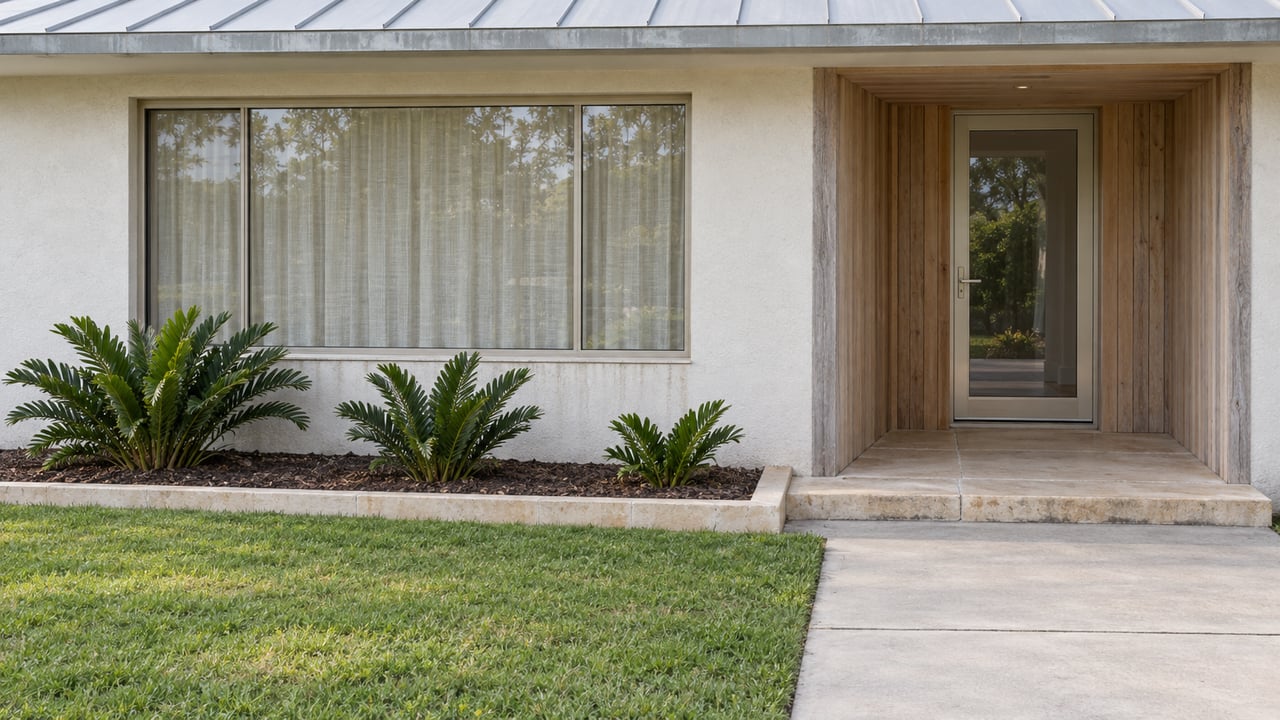
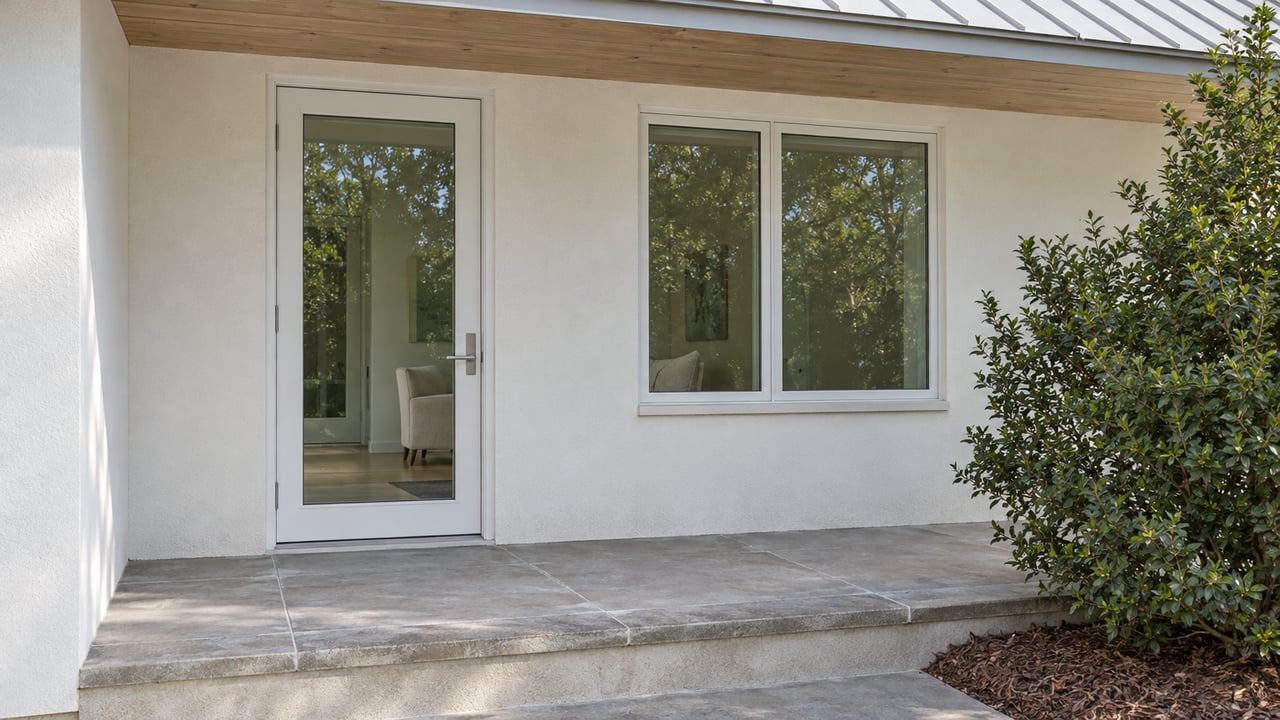
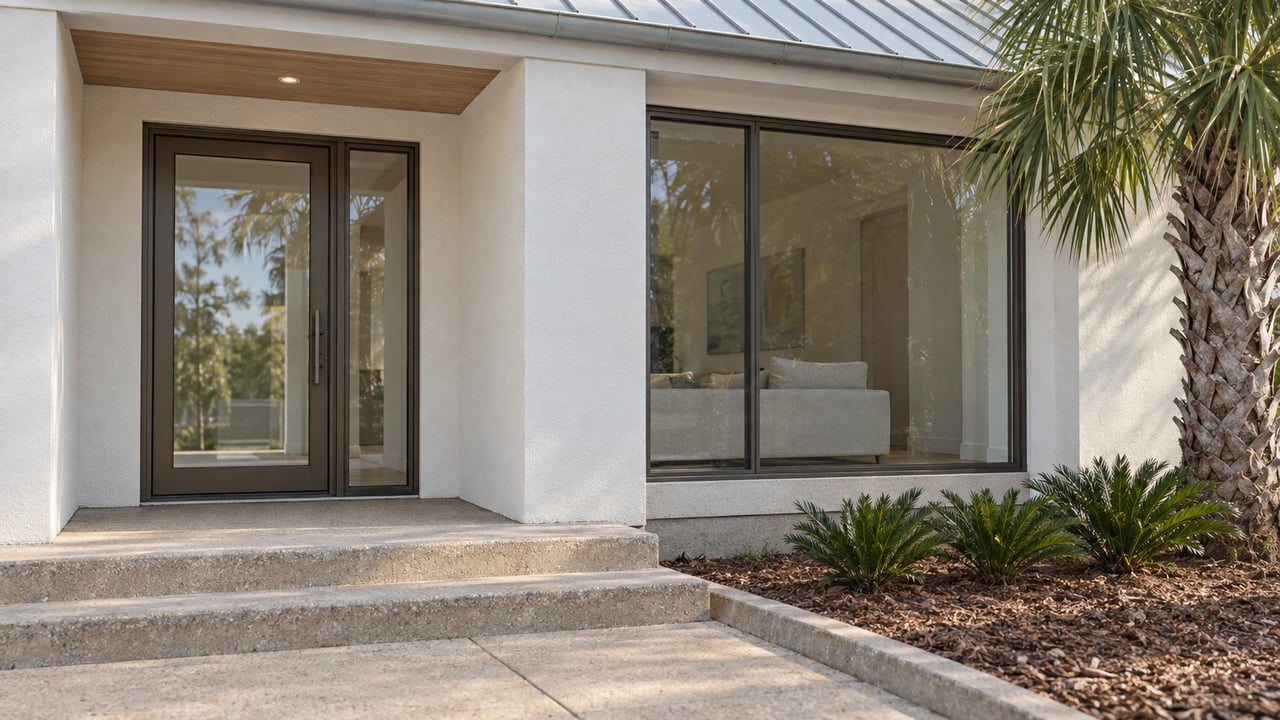
In practice, luxury downsizing often means choosing a home that supports how you live now. You may want fewer rooms to furnish, less exterior maintenance, a more efficient layout, or amenities that reduce day-to-day work. For some homeowners, that means a townhome with included lawn care. For others, it means a single-level home or a 55+ community with bundled services and amenities.
Downsizing options in St. Augustine
Townhomes with lower maintenance
If exterior upkeep is one of your biggest pain points, a townhome can be a strong fit. In the St. Augustine area, some townhome communities include lawn maintenance, which can remove one of the most time-consuming parts of owning a larger home.
This option can work especially well if you want to stay close to Historic Downtown or keep easy access to the beaches. A lower-maintenance setup can free up your schedule without taking away the location and lifestyle that drew you here in the first place.
Condos and smaller single-family homes
The local housing mix includes condos, townhomes, and single-family homes in a range of sizes. That gives you more flexibility than many people expect. A smaller footprint does not automatically mean compromising on comfort or giving up your preferred area.
For some homeowners, a right-sized single-family home is the sweet spot. You keep more privacy and separation than a condo may offer, while still reducing the work and cost that can come with a larger property.
55+ communities with bundled amenities
If you want a more service-oriented lifestyle, St. Johns County offers several 55+ options. Communities such as Stillwater and Del Webb Saint Johns show how downsizing can pair a smaller or more efficient home with amenities like maintained lawns, clubhouses, fitness centers, pools, pickleball, and golf access.
That kind of move is appealing when you want to trade square footage for convenience. Instead of spending weekends managing a house and yard, you can shift your focus to travel, hobbies, and enjoying your surroundings.
Why local market timing matters
A countywide number only tells part of the story. In March 2026, St. Johns County was considered a balanced market, with about 5,100 homes for sale, a median listing price of $539,300, and a typical 60 days on market.
Those numbers are useful, but they should not drive your decision on their own. The market where you plan to sell and the market where you plan to buy may behave very differently. If you are moving from one St. Augustine area into another, the best strategy starts with understanding both submarkets, not just the county average.
The costs to plan for before you move
When you downsize, the financial picture is bigger than sale price versus purchase price. Your real decision should account for transaction costs, taxes, and monthly carrying costs.
One important Florida cost is documentary stamp tax on the deed. Outside Miami-Dade County, the rate is 70 cents per $100 of consideration. On a $500,000 deed transfer, that equals $3,500 before other closing costs.
You should also think beyond the closing table. Census estimates show median monthly owner costs in St. Johns County at $2,351 with a mortgage and $728 without one. In St. Augustine city, the estimates are $1,966 with a mortgage and $793 without one. That is a reminder that a smaller home is not automatically cheaper, but a move can still improve your budget if it lowers maintenance, taxes, or total monthly carry.
Homestead and portability in St. Johns County
For many longtime Florida owners, this is one of the most important parts of the downsizing conversation. If your current home is homesteaded, your assessed value may be much lower than market value because annual assessment increases are capped.
In St. Johns County, the standard homestead exemption reduces taxable value by at least $50,000, and the 2026 total homestead exemption is listed at $51,411. If you move from one Florida homestead to another, portability may allow you to transfer some of your accumulated tax benefit.
That benefit can be significant. St. Johns County states that portability can transfer up to $500,000 of the difference between just value and assessed value, as long as you apply within three tax years of the sale. If you are downsizing to a lower-value home, the portable benefit is proportional rather than a simple dollar-for-dollar transfer.
For homeowners age 65 and older, there may also be an additional homestead exemption for those who meet local income limits. This is worth reviewing early because it can affect how you compare one housing option to another.
Will you owe tax when you sell?
Many longtime owners worry that a sale will create a large tax bill. In some cases, the federal home-sale exclusion may reduce or eliminate capital gains tax on the sale of a primary residence if the ownership and use tests are met.
Under current IRS guidance referenced in the research, eligible sellers may exclude up to $250,000 of gain, or up to $500,000 for married couples filing jointly. That said, gain exclusion is only one piece of the picture. You still need to account for Florida documentary stamp tax and your other closing costs when estimating net proceeds.
How to time the sale and purchase
The best timing question is not just, “When should I list?” It is, “How do I protect my cash flow, tax benefits, and peace of mind while I move?”
A thoughtful plan should start with your likely net proceeds, your available cash, and how much overlap you can comfortably carry. Selling and buying at the same time can work, but it is not the only option. Some homeowners prefer to sell first for certainty, while others choose a short overlap so they can buy without rushing.
If you want to purchase before selling, a bridge or swing loan may be one way to handle that gap. The research notes that lenders may allow this, but they must document your ability to carry the current home, the new home, the bridge loan, and your other obligations. In other words, the strategy can work, but only if the numbers support it.
Why the January 1 date matters
In St. Johns County, homestead timing can affect your taxes. To qualify for homestead in a given tax year, you must have legal or beneficial title and make the home your primary residence on or before January 1.
That means a late-December closing and an early-January closing can lead to different results for when your homestead benefit begins. If portability is part of your plan, this timing becomes even more important because portability only applies from one Florida homestead to another Florida homestead.
A smart downsizing plan starts with clarity
The best luxury downsizing moves are rarely impulsive. They are thoughtful, well-timed, and built around the way you want to live in this next season.
If you are considering a move in St. Augustine, start by answering a few practical questions:
- How much space do you actually use now?
- Which monthly costs do you want to reduce?
- Do you want less maintenance, more walkability, or more amenities?
- Would a townhome, condo, smaller single-family home, or 55+ community fit best?
- How much homestead benefit may be portable to your next home?
- Do you want to sell first, buy first, or allow for a short overlap?
Once you know those answers, your path becomes much easier to map. The goal is not simply to move into a smaller home. The goal is to create a lifestyle that feels lighter, simpler, and better aligned with what matters most to you now.
If you are ready to explore what a right-sized move could look like in St. Augustine, Meredith Rowe offers a concierge, high-touch approach to help you evaluate your options, position your current home thoughtfully, and make your next move with confidence.
FAQs
What does luxury downsizing in St. Augustine usually mean?
- It usually means moving from a larger home into a more manageable property that still supports your lifestyle, comfort, and preferred location, often with less maintenance and more convenience.
What types of homes are best for downsizing in St. Augustine?
- Common options include townhomes with lawn care included, condos, smaller single-family homes, and 55+ communities with bundled maintenance and amenities.
Can you keep your Florida homestead savings when downsizing in St. Johns County?
- In many cases, yes. St. Johns County says portability may allow you to transfer up to $500,000 of tax benefit from one Florida homestead to another if you meet the rules and apply within three tax years.
What tax costs should you expect when selling a home in St. Augustine?
- One key cost is Florida documentary stamp tax on the deed, which is 70 cents per $100 of consideration outside Miami-Dade County, along with other standard closing costs.
Does downsizing in St. Augustine always lower your monthly costs?
- Not always. A smaller home can reduce maintenance, taxes, or carrying costs, but the total monthly cost depends on the purchase price, financing, taxes, and community expenses.
When should you buy your next home if you are downsizing in St. Johns County?
- The right timing depends on your cash flow, risk tolerance, and tax planning, including whether you want to sell first, buy first, or structure a short overlap between the two homes.
Why is January 1 important for a downsizing move in St. Johns County?
- St. Johns County says you must own and occupy your home as your primary residence on or before January 1 to qualify for homestead in that tax year, so closing timing can affect when tax benefits begin.